Quick answer
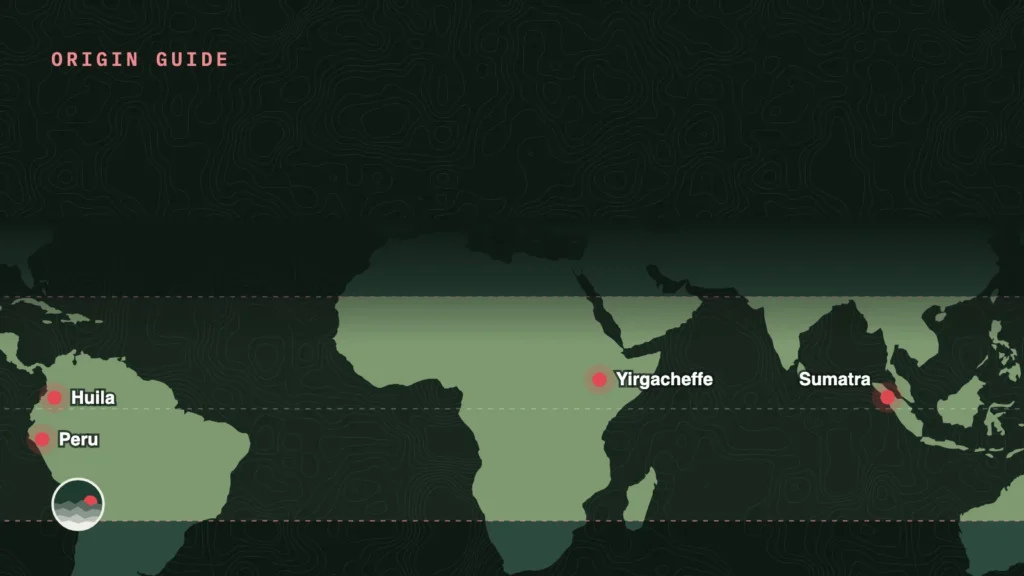
Coffee tastes different depending on where it grows, because altitude, climate, soil and processing all shape the cup. As a rough guide, Central America tends to be balanced and bright with chocolate and citrus, South America leans toward nuts, caramel and chocolate, Africa is the most floral and fruity, and Indonesia is heavy-bodied and earthy. Treat these as tendencies, not rules, because the farm, the variety and the processing matter as much as the region.
The flavor map at a glance
| Region | What it tends to taste like | Well-known countries | Brewing idea |
|---|---|---|---|
| Central America | Balanced and bright, with chocolate, nuts and citrus, and sometimes stone fruit | Guatemala, Costa Rica | Drip, pour-over or cold brew |
| South America | Caramel, nuts and chocolate, with brighter red-fruit notes in the high south of Colombia | Colombia, Peru, Brazil | Everyday pour-over, AeroPress or drip |
| Africa | Floral, citrus and berry, from tea-like Ethiopians to juicy, wine-like Kenyans | Ethiopia, Kenya | Pour-over, which shows off the clarity |
| Indonesia | Heavy, syrupy body with low acidity, earthy and herbal notes | Sumatra | French press or drip |
Why origin changes the flavor
Altitude. Cooler temperatures at high altitude slow down how fast coffee cherries ripen, which gives them more time to build sugars and acids. High-grown coffee is usually brighter, with more lively acidity, while low-grown coffee often tastes milder, rounder and fuller-bodied. Where “high-grown” starts varies by source, from about 1,500 m up to above 2,000 m, so use it as a guide.
Climate, soil and variety. Rainfall, temperature swings, soil and the coffee variety all add their own character, which is why two farms in the same country can taste different.
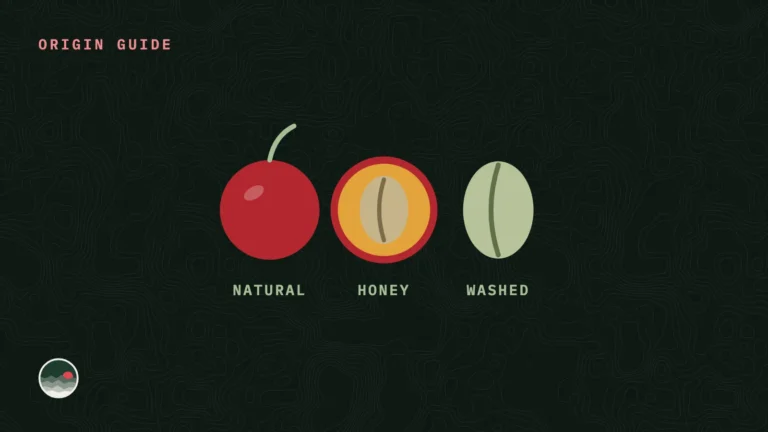
Processing. How the seed is separated from the cherry and dried can change a coffee as much as where it grew. A washed Ethiopian and a natural Ethiopian can taste quite different. Our guide to washed, natural and honey processing explains each method.
Region by region
Central America
There’s no single Central American flavor, because the microclimates differ so much from country to country. Guatemalan coffees are often described as bright and full-bodied, with floral and citrus aromas and a chocolatey, nutty finish. Costa Rican coffees are commonly linked to citrus and stone fruit, and a bright acidity. That variety is why the label matters more than the region name.
South America
Colombia varies a lot by where it’s grown. The south, including Huila and Cauca, tends to be bright and complex, with caramel or fruit notes, while the north often has a heavier body and a rounder flavor. Peru is typically described as nutty and chocolatey. Brazil is the outlier: its low-altitude, often natural or pulped-natural coffees tend to be chocolatey, nutty and low in acidity.
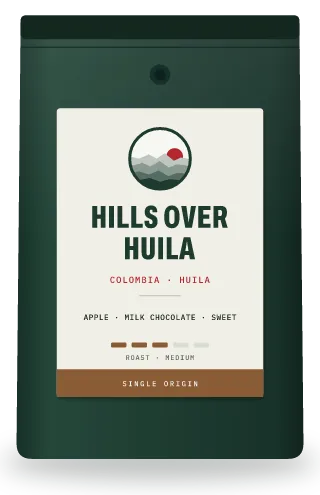
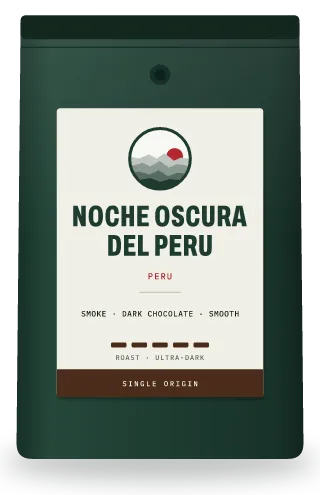
Our Hills Over Huila is a Colombian coffee from Huila, and Noche Oscura del Peru is a South American coffee from Peru.
Africa
Africa is the most floral and fruity of the four. Ethiopia is known for berry, lemon, jasmine and bergamot notes. Washed Ethiopians tend toward citrus and a tea-like body, and naturals show more berry and a deeper body. Within Ethiopia, Yirgacheffe is often described as floral and tea-like, and Sidama as berry-forward. Kenya is usually grown at high altitude, up to about 2,000 m, and is known for grapefruit and blackcurrant notes and a wine-like finish.
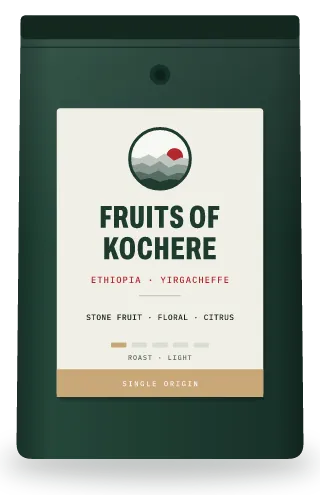
Our Fruits of Kochere is an Ethiopian coffee from Kochere, a district in Gedeo, the same zone as Yirgacheffe. Our guide to brewing Ethiopian coffee for pour-over shows how we’d brew a coffee like it.
Indonesia
Sumatran coffee is typically heavier and earthier than the others, with a syrupy body, low acidity and herbal or earthy notes. A lot of that style comes from how Indonesian coffee is processed, so it tastes different from washed coffees from other regions.
How to use the map when you shop
- You like bright and fruity: start with Africa, and look for a washed Ethiopian or a Kenyan.
- You like balanced and sweet: try Central America or a coffee from the south of Colombia.
- You like nutty and chocolatey: try Peru or Brazil.
- You like heavy and earthy: try Sumatra.
Then read the label. The country, the region within the country, the altitude and the process tell you more than the region name alone. Our guide to brewing coffee at home has recipes to get you started on any of them.
Where this guide comes from
This is a researched guide, not a tasting report from the farms. It draws on roaster guides, retailer pages and coffee reference sites, which often disagree on specifics, so every flavor note here is a tendency rather than a rule. Tasting notes for a given bag will depend on its farm, variety, processing and roast.
Coffee growing regions FAQ
Which coffee region is the best?
There isn’t one. It depends on what you like. African coffees are the most floral and fruity, Central and South American coffees tend to be balanced and sweet, and Indonesian coffees are heavy and earthy.
Why does Ethiopian coffee taste fruity?
Ethiopian coffees are often high-grown, and processing plays a big part. Washed Ethiopians tend toward citrus and a tea-like body, and natural ones tend to be berry-forward and heavier. See our guide to coffee processing.
Does altitude really matter for coffee?
It’s one of the factors. Cooler temperatures at altitude slow ripening, which tends to build more sugars and acids and gives a brighter cup. The exact numbers for what counts as high vary, and farm and processing matter too.
Which region has the lowest acidity?
Indonesia (Sumatra) and Brazil are both known for low acidity. Sumatra adds a heavy, earthy body, and Brazil is usually chocolatey and nutty.
Are single-origin coffees better than blends?
They’re different. A single origin shows off the place it comes from, while a blend is built for a consistent flavor. Neither is better, so it depends on what you want in the cup.
What does the label on a coffee bag tell me?
Look for the country, the region within the country, the altitude, the variety, the process and the roast level. Together they tell you more about the taste than the region name alone.
Try it with Regions coffee
Our coffees are organized by where they grow. Start with Hills Over Huila from Colombia, Fruits of Kochere from Ethiopia or Noche Oscura del Peru from Peru, and check each page for the roast, tasting notes and process. We also list three blends: Daybreak Blend, Espresso Sunrise and Campfire Fusion. Several of our coffees are still listed as coming soon, so check each page for availability.