



Quick answer
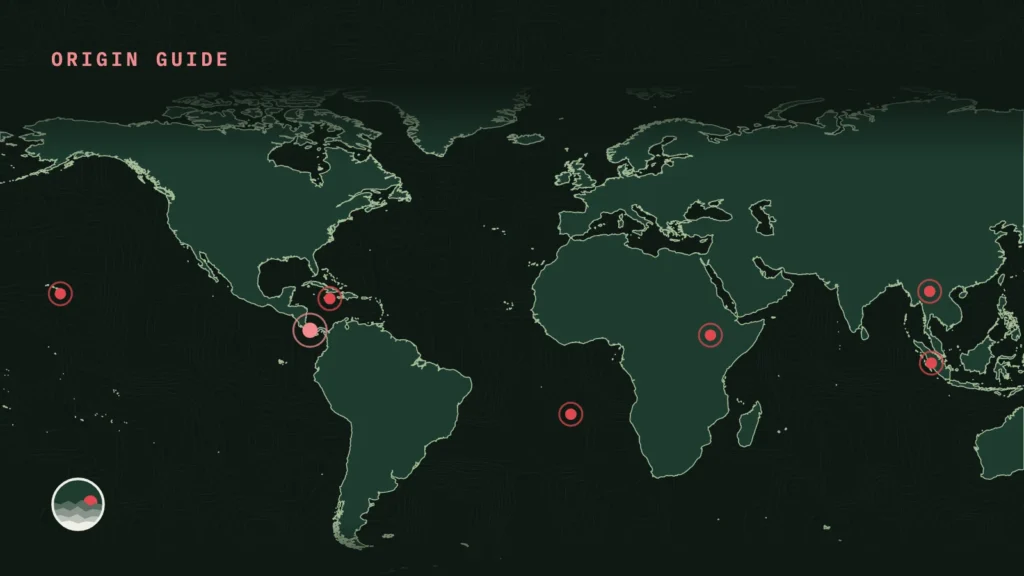
The most expensive coffee in the world is Panama Geisha. In 2025, a washed Geisha from Hacienda La Esmeralda sold for $30,204 a kilo at the Best of Panama auction, about $13,700 a pound, for unroasted beans. The record for the most expensive cup also belongs to Geisha: a Dubai café charged 2,500 dirhams, about $680, for a single cup in 2025. Other famously pricey coffees include kopi luwak (civet coffee), Black Ivory (elephant coffee), St Helena, Jamaica Blue Mountain and Hawaii’s Kona. Geisha is worth trying once for its jasmine and tropical fruit flavors. Kopi luwak isn’t, because most of it comes from caged animals.
The most expensive coffees at a glance
| Coffee | Why it costs so much | Our take |
|---|---|---|
| Panama Geisha | A rare, low-yielding variety grown high on a few farms. The best lots win competitions and sell at auction. | Worth trying once. Nothing else tastes quite like it. |
| Kopi luwak (civet coffee), Indonesia | The beans are collected from civet droppings, and the story sells. | Skip it. Most comes from caged civets, and many experts say it tastes ordinary. |
| Black Ivory (elephant coffee), Thailand | Elephants eat the cherries, and most beans are lost along the way. | A curiosity, made in tiny amounts. |
| St Helena | A remote island in the South Atlantic grows very little coffee. | You’re mostly paying for rarity and history. |
| Jamaica Blue Mountain | A small, certified mountain region, and most of the crop goes to Japan. | Mild and smooth. You’re paying for the name too. |
| Hawaii Kona | U.S. land and labor costs on a small growing area. | Good, but buy 100% Kona, not a “Kona blend”. |
Panama Geisha: the record holder
Geisha, also spelled Gesha, is a coffee variety, not a place. It comes from the Gori Gesha forest in southwestern Ethiopia, where seeds were collected in the 1930s. It reached Central America through Costa Rica in the 1950s and was later planted in Panama, but for decades it was just one variety among many.
That changed in 2004, when Hacienda La Esmeralda entered its Geisha in the Best of Panama competition. Judges were struck by its unusual floral flavor, and it sold for just over $20 a pound, a record at the time. Since then, Panama Geisha has set almost every coffee price record there is.
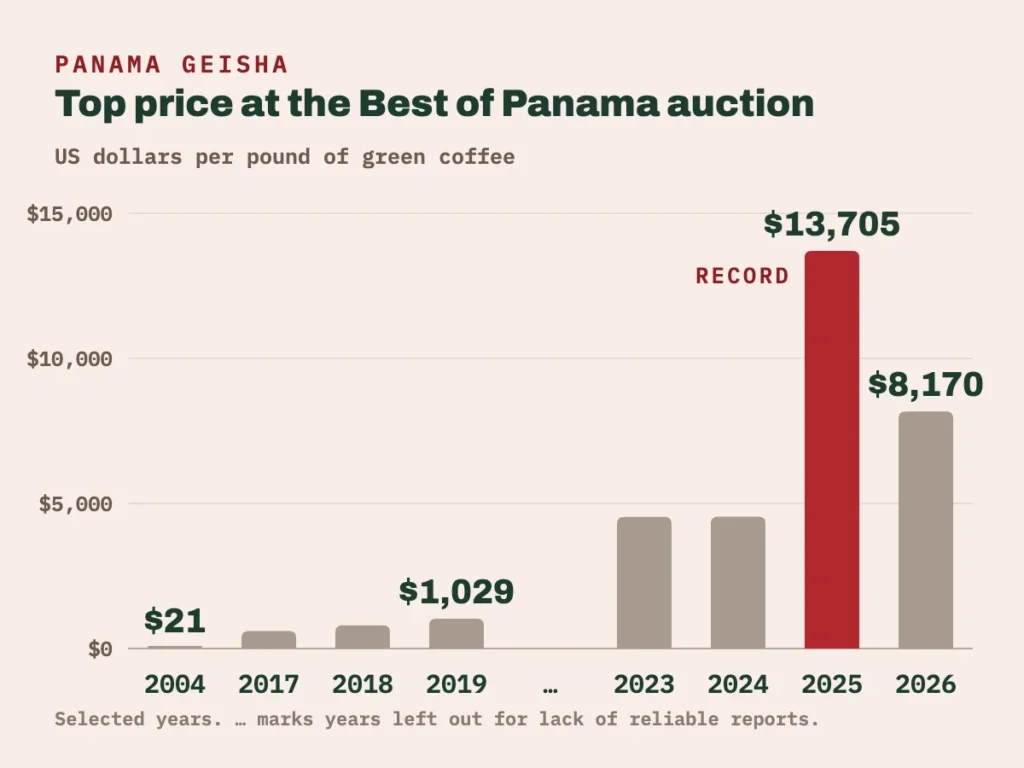
How Geisha prices took off
| Year | Top price per pound | Coffee |
|---|---|---|
| 2004 | About $21 | Hacienda La Esmeralda Geisha |
| 2017 | $601 | Natural Geisha from the Cañas Verdes farm |
| 2018 | $803 | Natural Geisha from Lamastus Family Estates |
| 2019 | $1,029 | Geisha from Lamastus Family Estates |
| 2023 | About $4,540 ($10,005 a kilo) | Washed Geisha from Carmen Estate |
| 2024 | $4,542 ($10,013 a kilo) | Natural Geisha from Lamastus Family Estates |
| 2025 | $13,705 ($30,204 a kilo) | Washed Geisha from Hacienda La Esmeralda, the record |
| 2026 | About $8,170 ($18,004 a kilo) | Elida Geisha from Lamastus Family Estates |
These are auction prices for tiny lots, often 15 to 20 kilos, bought by roasters and cafés who want the bragging rights. The 2025 record lot went to Julith Coffee in Dubai. Most Panama Geisha sells for far less, though still for several times the price of an ordinary specialty coffee.
Why Geisha costs so much
- Low yields: Geisha trees are tall and spindly and produce less fruit than most varieties.
- High, careful farming: the best lots grow at high altitude in the Chiriquí highlands of western Panama, around Boquete and Volcán, and are picked and processed with great care.
- Competitions and auctions: top lots are judged, scored and sold to the highest bidder, often buyers from Asia and the Middle East competing for a few kilos.
- The taste: the flavor really is unusual, which keeps demand high.
What Geisha tastes like
A good Geisha is light and tea-like, with strong floral aromas like jasmine, plus bergamot, peach and tropical fruit. It tastes closer to a fine tea than to an everyday coffee, which is why it’s almost always roasted light and brewed as pour-over. If you like bright, floral Ethiopian coffees, our Ethiopian coffee guide explains where that style comes from.
The most expensive cup of coffee
In September 2025, Roasters Specialty Coffee House in Dubai set the Guinness World Record for the most expensive cup of coffee: 2,500 dirhams, about $680. It was a V60 pour-over brewed tableside from Hacienda La Esmeralda Geisha. Soon after, Julith, the Dubai roaster that bought the record 2025 lot, offered cups from it for about $980 each, though without a Guinness record.
Other famously expensive coffees
Kopi luwak (civet coffee)
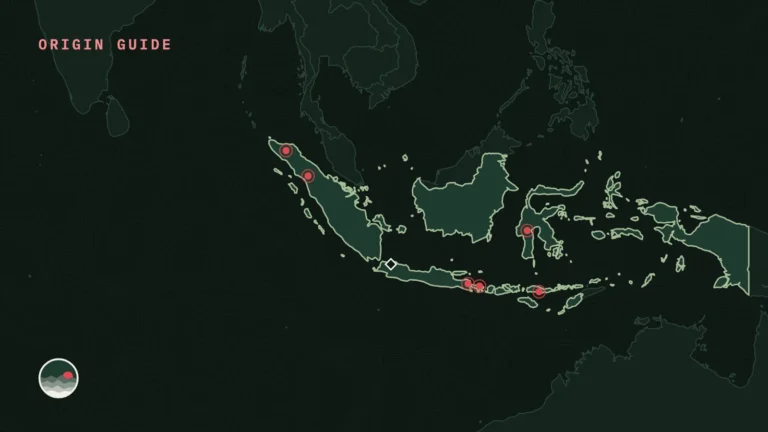
Kopi luwak comes mainly from Indonesia. Asian palm civets, small cat-like mammals, eat ripe coffee cherries, and the beans are collected from their droppings, cleaned and roasted. It’s often called cat poop coffee and is commonly sold for hundreds of dollars a pound.
The problem is how most of it is made. Investigations by the BBC and PETA found civets kept in small, bare cages and fed mostly coffee cherries, and coffee from caged animals sold with “wild” labels. Many coffee professionals also say it tastes no better than ordinary coffee. We’d skip it.
Black Ivory (elephant coffee)
Black Ivory Coffee is made in northern Thailand. Elephants eat Thai Arabica cherries, and the beans are picked out of their dung by hand, then washed and dried. According to its maker, it takes about 33 kilos of cherries to make 1 kilo of coffee, because so many beans are chewed or lost. It launched in 2012 at about $1,100 a kilo, and part of its sales goes to an elephant welfare foundation.
St Helena coffee
St Helena is a tiny, remote island in the South Atlantic, best known as the place Napoleon was exiled. It has grown coffee since the 1700s, from Green Tipped Bourbon trees, but in very small amounts. When Starbucks sold a small batch in 2016, it charged about $80 for an 8.8 oz bag, roughly $145 a pound.
Jamaica Blue Mountain
Only coffee grown in a defined area of Jamaica’s Blue Mountains can carry the name, and every lot is certified by a government agency before export. Japan buys most of it, around 70% of exports in recent years, which keeps supply tight elsewhere. It’s known for a mild, clean, balanced cup rather than bold flavors.
Hawaii Kona
Kona coffee grows on the slopes of the Big Island of Hawaii. It costs more because it’s grown in the U.S., with American land and labor costs, on a small area. Read the label carefully: under Hawaii law, a “Kona blend” only has to contain 10% Kona coffee. Look for “100% Kona” if you want the real thing.
Is expensive coffee worth it?
Sometimes. A competition Geisha really does taste different, and trying one is a memorable way to learn what coffee can be. Many specialty roasters sell Panama Geisha in small bags, so you don’t need to buy a full pound to taste it. Brew it carefully as pour-over, and drink it black.
For everyday coffee, price matters less than freshness, how the coffee was grown and processed, and how you brew it. A freshly roasted, well-sourced coffee brewed with care will beat an expensive bag that has gone stale. Our guides to storing coffee beans and brewing coffee at home cover both.
Where this guide comes from
This is a researched guide. Auction prices come from Best of Panama results as reported by coffee trade publications, and the record cup comes from Guinness World Records. Background on each coffee comes from news reports, coffee reference sites and the producers’ own descriptions, checked in October 2026. Retail prices for these coffees change often and vary a lot between sellers, so we’ve avoided quoting them except where a dated example helps. We haven’t tasted every coffee on this list.
Most expensive coffee FAQ
What is the most expensive coffee in the world?
Panama Geisha. The record is $30,204 a kilo, about $13,700 a pound, paid for a washed Geisha from Hacienda La Esmeralda at the 2025 Best of Panama auction.
How much is the most expensive cup of coffee?
The Guinness World Record is 2,500 dirhams, about $680, set by Roasters Specialty Coffee House in Dubai in September 2025 with a cup of Hacienda La Esmeralda Geisha.
Why is Geisha coffee so expensive?
The trees yield little, the best lots grow high on a handful of farms, and top lots are sold at auction to buyers competing for a few kilos. Its unusual floral, tea-like flavor keeps demand high.
Is kopi luwak worth it?
We don’t think so. Investigations have found most civet coffee comes from caged animals, labels claiming “wild” coffee are hard to trust, and many coffee professionals say it tastes ordinary.
What is elephant poop coffee?
That’s Black Ivory Coffee, from northern Thailand. Elephants eat coffee cherries, and the beans are collected from their dung by hand. It takes about 33 kilos of cherries to make 1 kilo of coffee.
Why is Kona coffee so expensive?
It’s grown in the U.S., where land and labor cost more, on a small area of Hawaii’s Big Island. Check for “100% Kona”, because a “Kona blend” can be just 10% Kona.
Is expensive coffee better?
Not always. Some of the price is rarity, hype or a famous name. Freshness, quality and good brewing matter more than price for everyday coffee.
Try it with Regions coffee
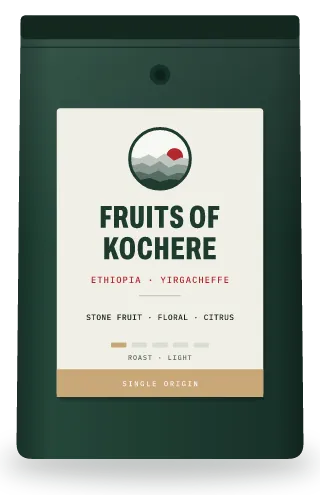
You don’t need to spend thousands for a floral, fruity cup. Fruits of Kochere is a light roast from Yirgacheffe, in Ethiopia, the country Geisha came from, with a floral aroma, juicy stone fruit and a bright citrus finish. It’s coming soon, so tap Notify me on its page to hear when it’s ready.
To brew it the way you’d brew a Geisha, follow our guide to brewing Ethiopian coffee for pour-over.