



On this page
Quick answer
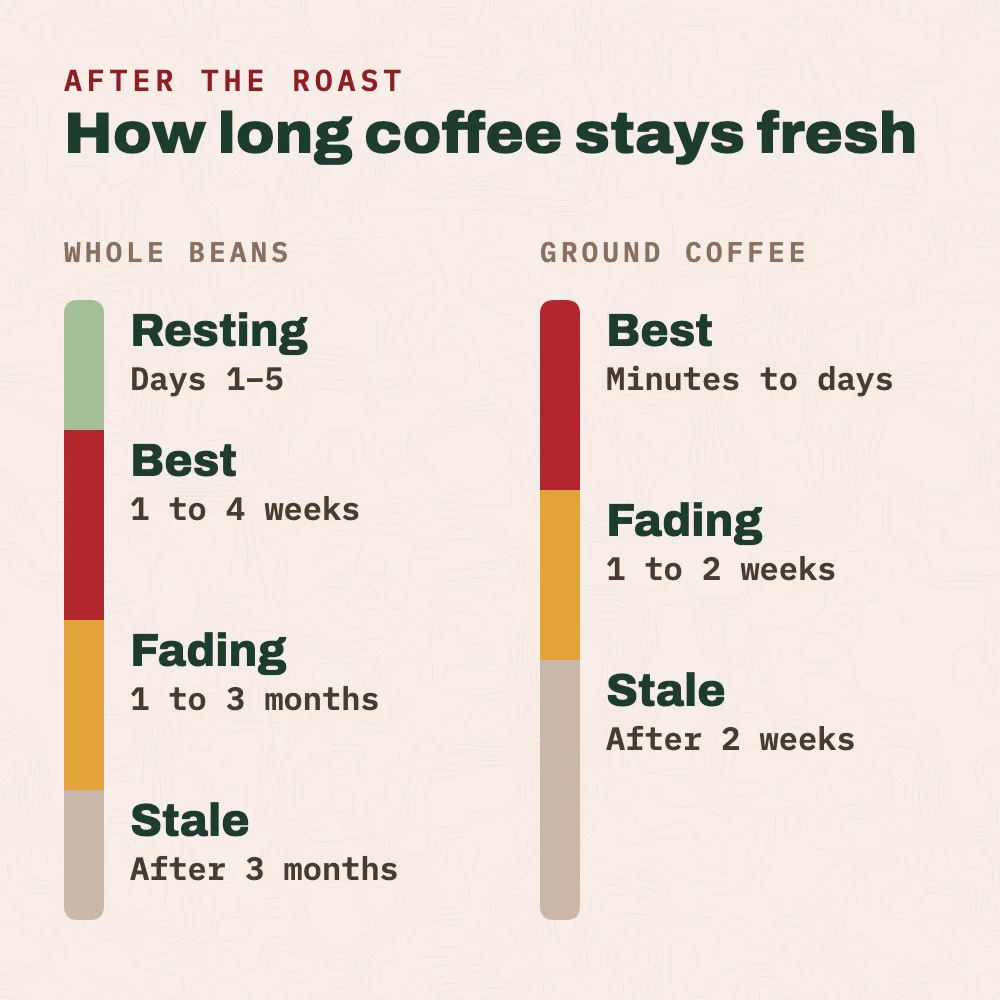
Coffee beans don’t go bad the way milk does. They go stale. Whole beans taste best about 1 to 4 weeks after the roast date, and they’re still fine to drink for 2 or 3 months, with the flavor slowly fading. Ground coffee goes flat much faster, so grind just before you brew. Keep beans in an airtight, opaque container at room temperature, away from heat, light and moisture. Skip the fridge, and freeze only what you won’t use within a few weeks, in sealed portions. The only time to throw coffee out is if it has gotten damp and looks or smells moldy.
How long coffee stays fresh
| Coffee | Best within | Still fine to drink |
|---|---|---|
| Whole beans, unopened bag | About 1 to 4 weeks after the roast date | Up to 2 or 3 months, with fading flavor |
| Whole beans, opened and kept airtight | 2 to 4 weeks after opening | About 1 to 2 months |
| Ground coffee | Right after grinding, or within a few days | About 1 to 2 weeks, then noticeably flat |
| Whole beans, frozen in sealed portions | Up to a few months | Longer, if they stay sealed and are never thawed and refrozen |
Do coffee beans go bad?
Stale, not spoiled
Roasted coffee is very dry, usually well under 5% moisture, so it doesn’t spoil on the shelf the way fresh food does. What happens instead is staling. Air slowly breaks down the aromas and oils that give coffee its flavor, so the cup gets flatter and duller over time. After a few months, the oils can start to taste rancid. Stale coffee isn’t harmful. It just isn’t very good.
Signs your beans are stale
- Weak smell: fresh beans smell strong and sweet when you open the bag. Stale beans smell faint, dusty or like cardboard.
- Flat taste: the cup tastes hollow, papery or bitter, without the fruit or sweetness you remember.
- Little or no bloom: when hot water first hits fresh grounds, they puff up and bubble as gas escapes. Older coffee barely moves.
- A rancid note: very old beans can smell or taste like old nuts or crayons, which is the oils going off.
When to throw coffee out
Mold needs moisture, so dry beans in a sealed container are very unlikely to grow it. If your coffee has gotten wet or damp, though, check it. Fuzzy white, green or blue spots, or a musty, sour smell, mean it’s time to throw the whole bag out. Don’t try to pick out the bad beans.
What the date on the bag means
A “best by” date is about quality, not safety, and coffee doesn’t really expire. A roast date is far more useful, because it tells you how fresh the beans are. Our guide to choosing coffee beans covers the rest of the label. Supermarket coffee often has a best-by date many months away, because it’s packed with nitrogen to keep air out. It’s safe to drink, but it won’t taste as lively as coffee roasted a couple of weeks ago.
How to store coffee beans
Coffee has four enemies: air, moisture, heat and light. Good storage keeps all four away.
- Buy whole beans and grind as you go. Whole beans hold their flavor far longer than ground coffee.
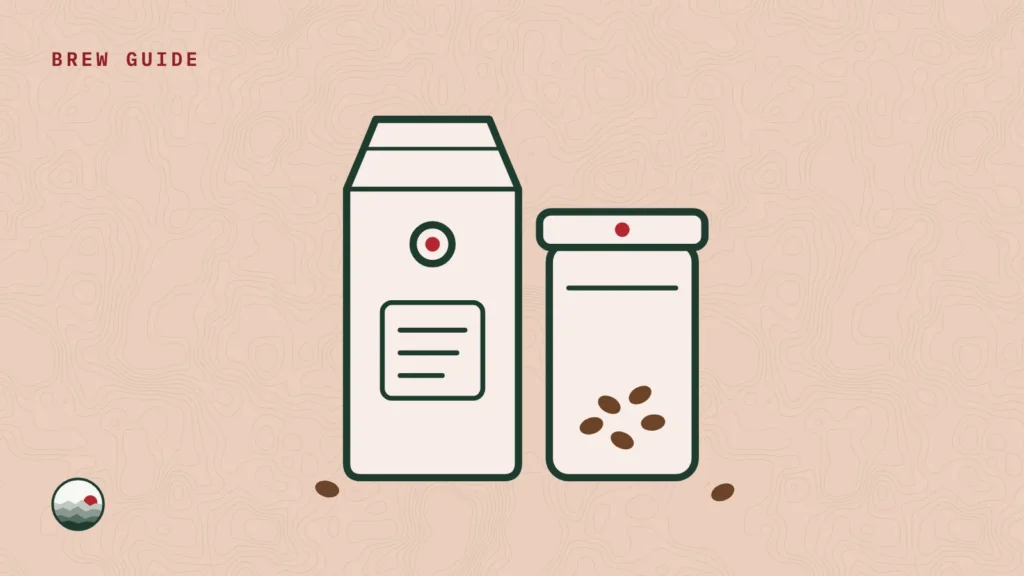
- Use an airtight, opaque container. A canister with a tight seal works well, and so does the original bag if it has a one-way valve and you squeeze the air out and seal it each time. Avoid clear jars unless they live in a dark cupboard.
- Keep it cool and dark. A cupboard away from the stove, the oven, the dishwasher and sunny windows is ideal. Room temperature is fine.
- Buy what you’ll use in 2 to 4 weeks. A 12 oz (340 g) bag makes about 16 big mugs, so it lasts a little over two weeks at one mug a day. A smaller bag bought more often beats a big one that sits.
- Freeze the rest. If you have more than you’ll use in a few weeks, freeze it in sealed portions, as explained below.
Should you keep coffee in the fridge?
No. Coffee soaks up moisture and smells, and a fridge has plenty of both. Every time you take the beans out, the cold coffee also collects a little condensation, which speeds up staling. The freezer is a better choice for long-term storage, and the cupboard is better for the beans you’re using now.
Can you freeze coffee beans?
Yes, and it’s the best way to keep beans for more than a few weeks, as long as you do it carefully.
- Freeze them fresh: freeze beans you won’t use soon while they’re near their best, not after they’ve already faded.
- Split them into portions: use small airtight bags or jars, each holding a few days to a week of coffee, with as little air as possible.
- Freeze once: take out one portion at a time and don’t put it back. Thawing and refreezing brings in moisture.
- Let it warm up sealed: leave the portion closed until it reaches room temperature, so condensation forms on the outside of the bag, not on the beans.
Some home baristas grind beans straight from the freezer, a portion at a time. A 2016 study in Scientific Reports found that colder beans grind finer and more evenly, so if you try it, you may need to set your grinder a little coarser. Either way, frozen beans stay good for a few months, and longer if they’re well sealed.
Whole bean vs ground coffee
Grinding breaks each bean into thousands of tiny pieces, which exposes far more of the coffee to air. The aroma starts to fade within minutes, and ground coffee tastes noticeably flatter within a week or two. That’s why a burr grinder is one of the best upgrades for home coffee. Our guides to the best coffee grinders for home and the best hand grinders cover options at every budget.
If you buy ground coffee, buy smaller bags, keep them sealed and use them within a week or two. Our coffee ratio and grind size chart shows which grind size suits each brewer.
Why fresh coffee needs a few days of rest
Roasting fills coffee beans with carbon dioxide, and they release most of it over the first week or so. That’s why good coffee bags have a small one-way valve: it lets the gas out without letting air in. Brewed right after roasting, coffee can taste sharp and uneven because the gas gets in the way of the water. Many roasters suggest waiting about 3 to 5 days for filter coffee and about a week for espresso.
Some of that gas is still there for the first few weeks, which is what makes fresh grounds bloom. Our guide to brewing coffee at home explains how to bloom your coffee for an even brew.
Where this guide comes from
This is a researched guide. It draws on coffee roasters’ and retailers’ freshness advice, coffee reference sites and a 2016 study on grinding coffee at different temperatures, checked in October 2026. Most freshness timelines come from roasters’ experience rather than lab tests, and they often disagree, so treat the numbers here as a rough guide. Your own taste is the best test.
Coffee storage FAQ
How long do coffee beans last?
Whole beans taste best about 1 to 4 weeks after the roast date and are still fine for 2 or 3 months if they’re kept sealed. After that they’re safe but stale.
Do coffee beans expire?
Not really. The date on the bag is about quality, not safety. Dry, sealed coffee won’t make you sick when it’s old, but it will taste flat.
Can coffee beans go moldy?
Only if they get damp. Roasted coffee is too dry for mold when it’s stored properly. If you see fuzzy spots or smell something musty, throw the coffee out.
Is it safe to drink old coffee?
Yes, as long as the beans stayed dry and show no sign of mold. Old coffee just tastes flatter, and very old beans can taste rancid.
How long does ground coffee last?
It tastes best within minutes to a few days of grinding and goes noticeably flat within a week or two. Keep it sealed, and buy small bags if you don’t grind your own.
How long do coffee beans last in the freezer?
A few months, and longer if they’re well sealed. Freeze them in portions, take out one at a time and don’t refreeze them.
Can I keep coffee in the bag it came in?
Yes, if the bag has a one-way valve and reseals well. Squeeze out the air, seal it each time and keep it in a cool, dark cupboard.
Do oily beans mean they’re fresh?
Not really. Dark roasts look oily because roasting pushes oils to the surface, and lighter roasts can turn a little oily as they age. The roast date tells you more.
Try it with Regions coffee
Our coffees are roasted to order, so they reach you near the start of their best weeks. Try Daybreak Blend for everyday drip, Hills Over Huila for pour-over, or Espresso Sunrise for espresso, and give it the few days of rest above. Our coffees are listed as coming soon, so tap Notify me on any of them to hear when they’re ready.
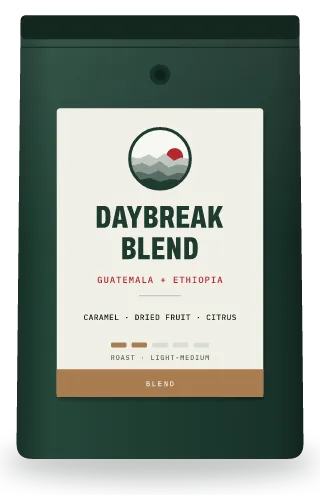 Daybreak BlendGuatemala & Ethiopia · Light-medium
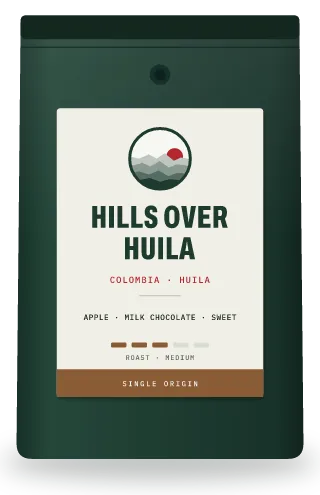 Hills Over HuilaColombia · Medium
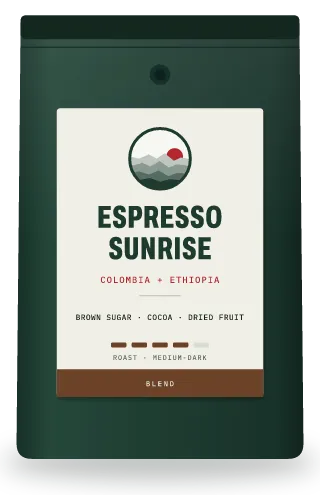 Espresso SunriseColombia & Ethiopia · Medium-dark
Once your coffee arrives, our guide to brewing coffee at home has recipes for five brewers.