



Quick answer
To choose coffee beans, start with how you brew and the flavors you like, then read the bag. Look for a recent roast date, ideally within the last few weeks. Choose a roast level that suits your taste: light for bright and fruity, medium for balanced and sweet, dark for bold and chocolatey. The origin, process and tasting notes tell you what to expect in the cup. Buy whole beans, and only as much as you’ll use in two to four weeks.
What to look for, by taste
| If you like | Look for | Origins to try |
|---|---|---|
| Bright, fruity or floral coffee | Light roast, washed or natural | Ethiopia, Kenya |
| Balanced, sweet and smooth coffee | Medium roast, washed | Colombia, Guatemala |
| Chocolatey, nutty coffee | Medium to medium-dark roast | Peru, Brazil, many blends |
| Bold, smoky coffee with low acidity | Dark roast | Sumatra, dark blends |
| Lattes and cappuccinos | Medium-dark espresso blend | Blends with chocolate or caramel notes |
How to choose coffee beans, step by step
1. Start with how you brew
Your brewer narrows things down. Pour-over and AeroPress show off light and medium roasts. Drip machines suit almost anything, especially medium roasts. French press and cold brew love medium to dark roasts with a chocolatey body. Espresso is easiest with medium to medium-dark coffees, though any beans can work, as our guide to espresso beans vs coffee beans explains.
2. Decide which flavors you like
Tasting notes like “blueberry, jasmine” or “milk chocolate, almond” describe the coffee’s natural flavors. Nothing has been added. If you’ve enjoyed a coffee before, look for similar notes and a similar origin. Our coffee growing regions flavor map shows what each part of the world tends to taste like.
3. Check the roast date
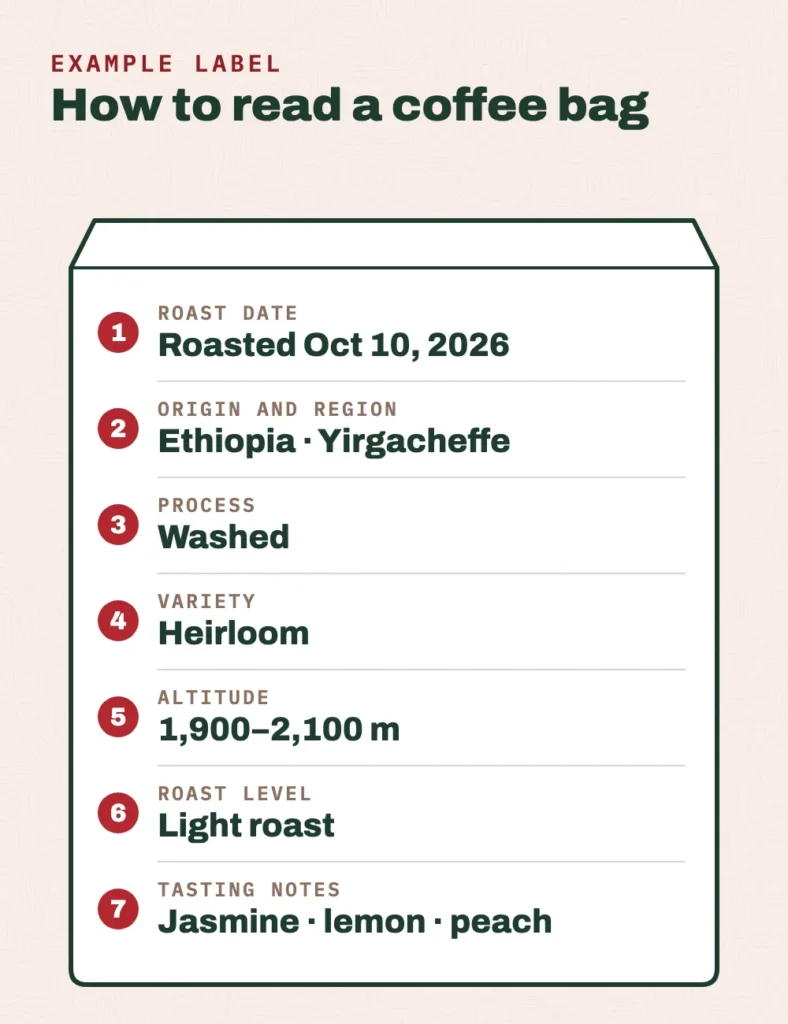
Fresh coffee tastes better. Look for a roast date, not just a “best by” date, and aim for beans roasted within the last few weeks. Whole beans taste best about 1 to 4 weeks after roasting. If a bag only shows a best-by date a year away, the coffee may already be months old. Our guide to storing coffee beans covers how long coffee stays fresh.
4. Choose a roast level
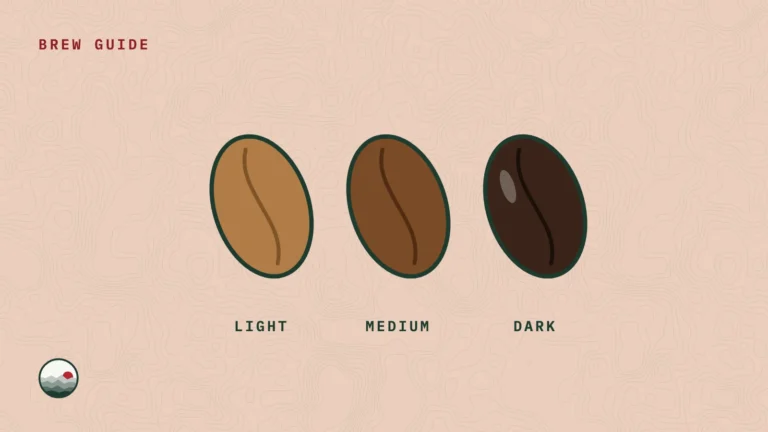
Roast changes flavor more than almost anything else. Light roasts are bright and fruity, medium roasts are balanced and sweet, and dark roasts are bold, roasty and low in acidity. Our guide to light, medium and dark roasts explains each, including caffeine.
5. Read the origin and the process
The more specific the origin, the more it tells you. “Colombia” is a start, and “Huila, Colombia” or a named farm is better. The process matters too: washed coffees taste clean and bright, and naturals taste fruitier and heavier. Single origins show off one place, and blends are built for balance. Our guides to coffee processing and single origin vs blend coffee go deeper, and our Ethiopian, Colombian and Peruvian coffee guides cover three popular origins.
6. Use the extras: altitude and variety
Altitude is a useful clue. High-grown coffee, often above about 1,500 meters, ripens slowly and tends to taste brighter and more complex, and lower-grown coffee tends to be softer and rounder. The variety, like Bourbon, Geisha or “heirloom”, adds detail for the curious. Our guide to types of coffee beans explains arabica, robusta and the main varieties.
7. Buy whole beans, in the right amount
Whole beans stay fresh far longer than ground coffee, which goes flat within a week or two. Grind just before you brew, and buy only what you’ll use in two to four weeks. A 12 oz bag makes about 16 big mugs. If you don’t have a grinder yet, our guide to the best coffee grinders for home can help.
Coffee certifications, explained
Seals on a bag tell you about how the coffee was grown and traded, not how it tastes.
- USDA Organic: grown without most synthetic pesticides and fertilizers, and checked by a certifier the USDA accredits.
- Fairtrade: guarantees farmer cooperatives a minimum price when market prices fall, plus a premium for community projects. The minimum for washed arabica rises from $1.80 to $2.00 a pound in December 2026, with a $0.20 premium on top.
- Rainforest Alliance: farms meet standards for the environment, workers’ rights and farm management. Look for the green frog seal.
- Shade-grown and Bird Friendly: shade-grown coffee grows under a canopy of trees that shelters birds and wildlife. The Smithsonian’s Bird Friendly seal is the strictest, requiring both organic certification and real forest-like shade.
- Direct trade: not a certification. It means the roaster buys from farms directly, often paying above market prices. Good roasters explain what they pay and who they buy from.
Red flags to watch for
- No roast date: only a best-by date far in the future.
- Vague words instead of details: “gourmet”, “premium” or “bold” with no origin, process or tasting notes.
- Bad storage: clear bags in a sunny window, or bulk bins left open to the air.
- Big bags of pre-ground coffee: they go stale long before you finish them.
Where this guide comes from
This is a researched guide. It draws on coffee roasters’ and importers’ guides, certification bodies’ published standards and coffee reference sites, checked in October 2026. Flavor tendencies are starting points rather than rules, and your own taste is the best guide.
Choosing coffee beans FAQ
How do I choose good coffee beans?
Pick whole beans with a recent roast date, a roast level you like, and a specific origin and tasting notes that sound good to you. Freshness matters more than almost anything else.
What should I look for on a coffee bag?
The roast date, the roast level, the origin and region, the process and the tasting notes. Altitude and variety are useful extras.
Are whole beans better than ground coffee?
Yes, if you can grind at home. Whole beans stay fresh for weeks, while ground coffee loses flavor within a week or two.
Do tasting notes mean flavors were added?
No. Tasting notes describe flavors the coffee has naturally, the way wine can taste of cherry without any cherry in it. Flavored coffees usually say “flavored” on the bag.
Does altitude matter in coffee?
It’s one factor. High-grown coffee ripens slowly and tends to taste brighter and more complex. Farm, process and roast matter too.
What’s the best coffee for beginners?
A fresh medium roast from Colombia or Central America, or a balanced blend. They’re smooth, sweet and forgiving in almost any brewer.
Is expensive coffee better?
Not always. Price can reflect rarity, certification or a famous name as much as flavor. Our guide to the most expensive coffee in the world looks at what you’re paying for.
Try it with Regions coffee
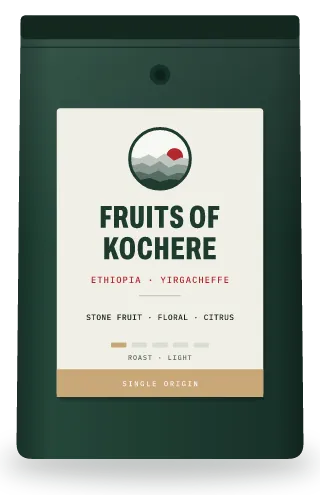
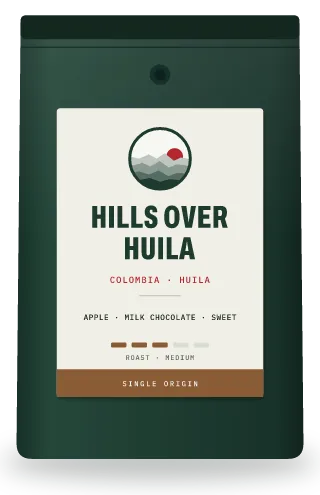
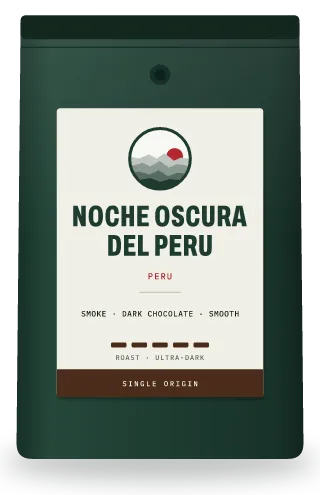
Match a coffee to your taste. For bright and fruity, try Fruits of Kochere, a light roast from Ethiopia. For balanced and sweet, try Hills Over Huila, a medium roast from Colombia. For bold and smoky, try Noche Oscura del Peru, an ultra-dark roast. For lattes, there’s Espresso Sunrise, and for an easygoing morning cup, Daybreak Blend. Our coffees are listed as coming soon, so tap Notify me on any of them to hear when they’re ready.