



On this page
- Quick answer
- French press recipe
- How much coffee for a French press
- The best French press coffee ratio
- French press grind size
- How long to steep French press coffee
- For a cleaner cup: the slow method
- If it doesn’t taste right
- Where these numbers come from
- French press FAQ
- Brew a French press with Regions coffee
Quick answer
Use 30 g of coarsely ground coffee, about 6 level tablespoons, for 450 g (about 15 oz) of water just off the boil. That’s a 1:15 ratio. Stir, put the lid on with the plunger up and steep for 4 minutes, then press slowly and pour all the coffee off the grounds right away. For a stronger cup, go toward 1:12. For a lighter one, go toward 1:17. If it tastes bitter, grind coarser. If it tastes sour or weak, grind a little finer or steep a minute longer.
French press recipe
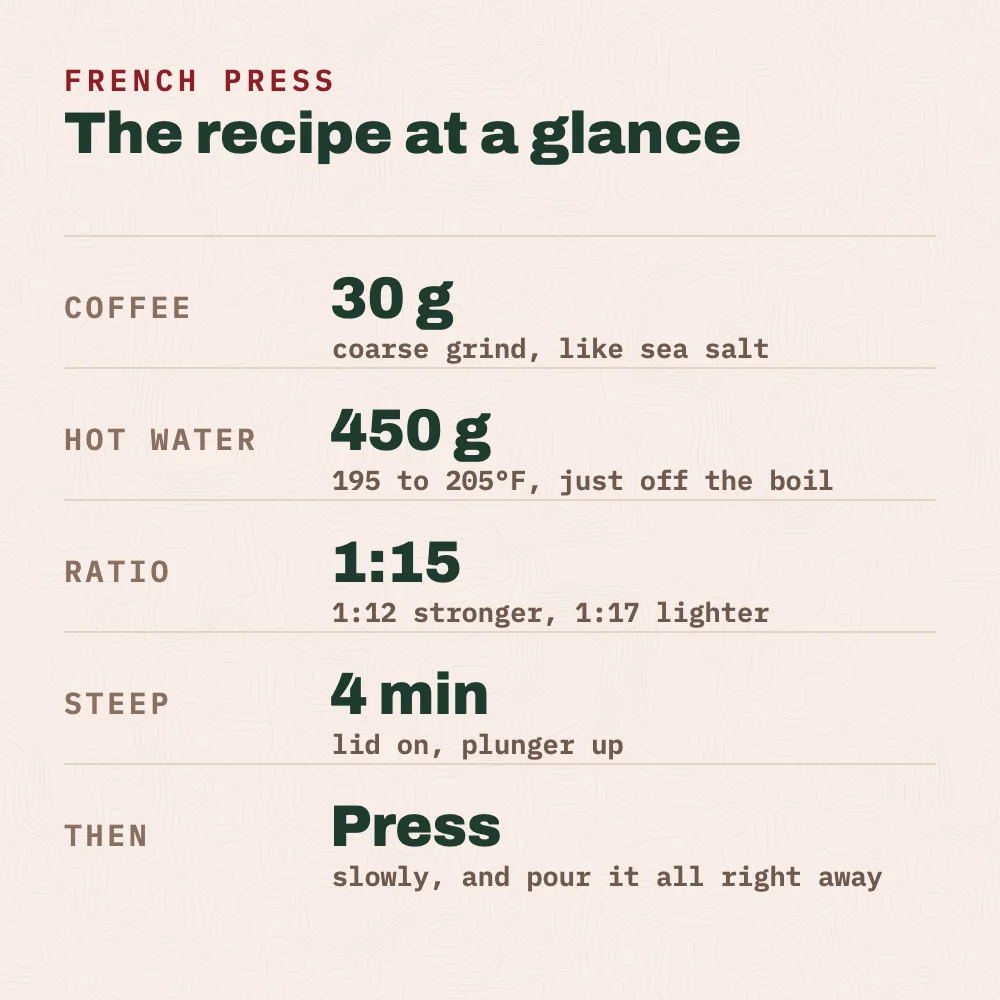
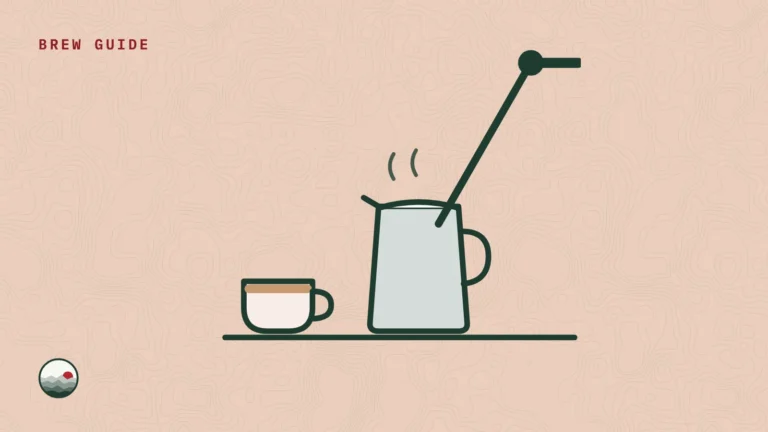
- Heat the water to just off the boil, 195 to 205°F. With no thermometer, let boiled water sit for about 30 seconds. Swirl a little hot water in the press to warm it, then tip it out.
- Add 30 g of coarsely ground coffee. Weighing it on a scale makes a good cup easy to repeat.
- Pour in 450 g of water and start a timer. Make sure all the grounds get wet, then give it a gentle stir.
- Steep for 4 minutes with the lid on and the plunger pulled all the way up.
- Stir the crust on top so the grounds sink, and scoop off any foam if you like.
- Press slowly and steadily. Don’t force it. If the plunger fights you, the grind is too fine.
- Pour it all right away into mugs or a carafe. Coffee left sitting on the grounds keeps brewing and turns bitter.
How much coffee for a French press
French press sizes count small cups of about 4 oz, so an 8-cup press holds about 34 oz, not eight mugs. Leave room for the grounds and the plunger, and use this chart.
| Press | Water | Coffee | Tbsp |
|---|---|---|---|
| 3-cup (12 oz) | 300 g (10 oz) | 20 g | 4 |
| 4-cup (17 oz) | 450 g (15 oz) | 30 g | 6 |
| 8-cup (34 oz) | 750 g (25 oz) | 50 g | 10 |
| 12-cup (51 oz) | 1,200 g (40 oz) | 80 g | 16 (1 cup) |
For scoops and tablespoons for other brewers and mugs, see our guide to how much coffee per cup.
The best French press coffee ratio
A 1:15 ratio means 1 g of coffee for every 15 g of water. That’s a little stronger than the 1:16 to 1:17 we suggest for pour-over and drip, because most people want a rich, full-bodied cup from a French press. Bodum, which makes the classic Chambord press, suggests about 1 tablespoon (7 g) for every 4 oz of water, which works out to about 1:17. Start at 1:15 and adjust to taste.
| Strength | Ratio | Coffee for 450 g water |
|---|---|---|
| Strong | 1:12 | 38 g |
| Our starting point | 1:15 | 30 g |
| Lighter | 1:17 | 26 g |
Change the ratio to change how strong the coffee is. To change how it tastes, change the grind or the steep time. Our coffee to water ratio chart has the ratios for every other brewer.
French press grind size
Use a coarse grind, about like coarse sea salt. Coarse grounds steep evenly over 4 minutes and stay behind the mesh filter. Grind too fine and the coffee turns bitter and muddy, and the plunger gets hard to push. Grind too coarse and it tastes weak or sour.
A burr grinder gives the most even coarse grind, with fewer fine bits to slip through the filter. Our guides to the best coffee grinders for home and the best hand grinders cover good options. Pre-ground coffee is usually ground for drip machines, which is finer than ideal. It still works, but steep it for about 3 minutes and press gently.
How long to steep French press coffee
Four minutes is the standard, and it’s what Bodum recommends. Go down to 3 minutes if your grind is on the fine side, or up to 5 if it’s very coarse or you’re brewing a light roast. Use water just off the boil, 195 to 205°F. With dark roasts, the cooler end of that range helps keep bitterness down.
The clock doesn’t stop when you press. The grounds at the bottom keep brewing, so pour all the coffee out once it’s pressed, even what you won’t drink right away.
For a cleaner cup: the slow method
If French press coffee tastes silty to you, try the slower method popularized by coffee writer James Hoffmann. It lets gravity do the filtering instead of the plunger.
- Brew as above and steep for 4 minutes.
- Stir the crust gently so most of the grounds sink, then scoop off the foam and floating bits with two spoons.
- Wait another 5 to 8 minutes for the fine particles to settle.
- Lower the plunger just to the surface of the coffee, without pushing it into the grounds, and pour slowly.
It takes longer and the coffee cools a little, so warm your mugs first, but the cup is much cleaner.
If it doesn’t taste right
- Bitter: grind coarser, steep a little less or use slightly cooler water, and don’t leave coffee sitting on the grounds.
- Sour or weak: grind a little finer, steep a minute longer, or use more coffee, moving toward 1:12.
- Muddy or silty: grind coarser and more evenly, press gently, let the cup sit for a minute, and leave the last bit in the press. The slow method helps most.
- Hard to press: the grind is too fine. Lift the plunger a little, press again gently, and grind coarser next time.
Change one thing at a time. Our guide to why coffee tastes bitter or sour explains what each change does.
Where these numbers come from
These numbers match our coffee to water ratio chart and the French press recipe in our other guides. We checked them against Bodum’s instructions, which call for water at 195 to 205°F, a 4-minute steep and about 1 tablespoon per 4 oz, and against common barista recipes, which range from about 1:12 to 1:17. Press sizes come from Bodum’s Chambord line, which counts a cup as about 4 oz. Tablespoon amounts are approximate, because the weight of a tablespoon of grounds varies with the grind and roast.
French press FAQ
What is the best coffee to water ratio for a French press?
Start at 1:15, for example 30 g of coffee to 450 g of water. Go toward 1:12 for a stronger cup or 1:17 for a lighter one.
How much coffee do I put in a French press?
It depends on the size. Use 30 g (6 tablespoons) for a 4-cup press, 50 g (10 tablespoons) for an 8-cup press and 80 g (about 1 cup) for a 12-cup press, all at 1:15.
How many tablespoons of coffee for a French press?
About 3 level tablespoons of coarse grounds for every 8 oz of water. Weigh your coffee if you can, because a tablespoon of grounds varies with the grind and roast.
How long should French press coffee steep?
4 minutes. Use 3 minutes for a finer grind, or up to 5 for a very coarse grind or a light roast.
What grind size is best for a French press?
Coarse, about like coarse sea salt. A finer grind makes the coffee bitter and muddy and the plunger hard to push.
Can I use pre-ground coffee in a French press?
Yes. Most pre-ground coffee is ground for drip, which is finer than ideal, so steep it for about 3 minutes, press gently and expect a little more sediment.
Why is my French press coffee muddy?
Fine bits of coffee slip through the mesh filter. Grind coarser and more evenly, press gently, and leave the last bit in the press, or try the slow method above.
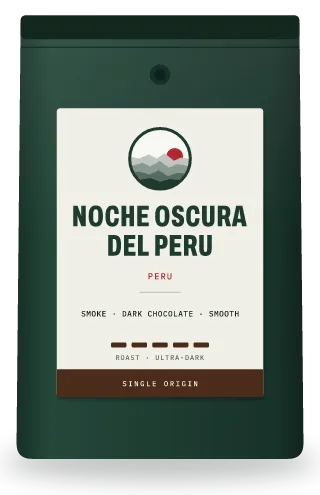
Brew a French press with Regions coffee
A French press brings out body, so fuller, low-acid coffees shine in it. Campfire Fusion, our medium-dark blend of Guatemalan and Sumatran coffee, is velvety, with milk chocolate, dried fruit and a light wisp of smoke. Noche Oscura del Peru, our darkest roast, has a heavy, smooth body with deep smoke and bittersweet dark chocolate. Our coffees are listed as coming soon, so tap Notify me on any coffee to hear when it’s ready.