



On this page
- Quick answer
- Peru’s coffee regions at a glance
- Why Peruvian coffee tastes the way it does
- Peru’s coffee regions, one by one
- Organic and Fairtrade coffee from Peru
- Why Peruvian coffee takes a dark roast so well
- A short history of coffee in Peru
- How to brew Peruvian coffee
- Where this guide comes from
- Peruvian coffee FAQ
- Try it with Regions coffee
Quick answer
Peruvian coffee is known for being mild, smooth and sweet, with chocolate, nuts and caramel, gentle acidity and a clean finish. Higher-grown lots from places like Cajamarca, Cusco and Puno can add red fruit, citrus and floral notes. It’s almost all arabica, mostly washed, and grown by smallholders on small farms high in the Andes, and Peru is one of the world’s biggest sources of organic coffee. Its mild, sweet character makes it a natural for dark roasts, and also for easygoing medium roasts and bright specialty lots.
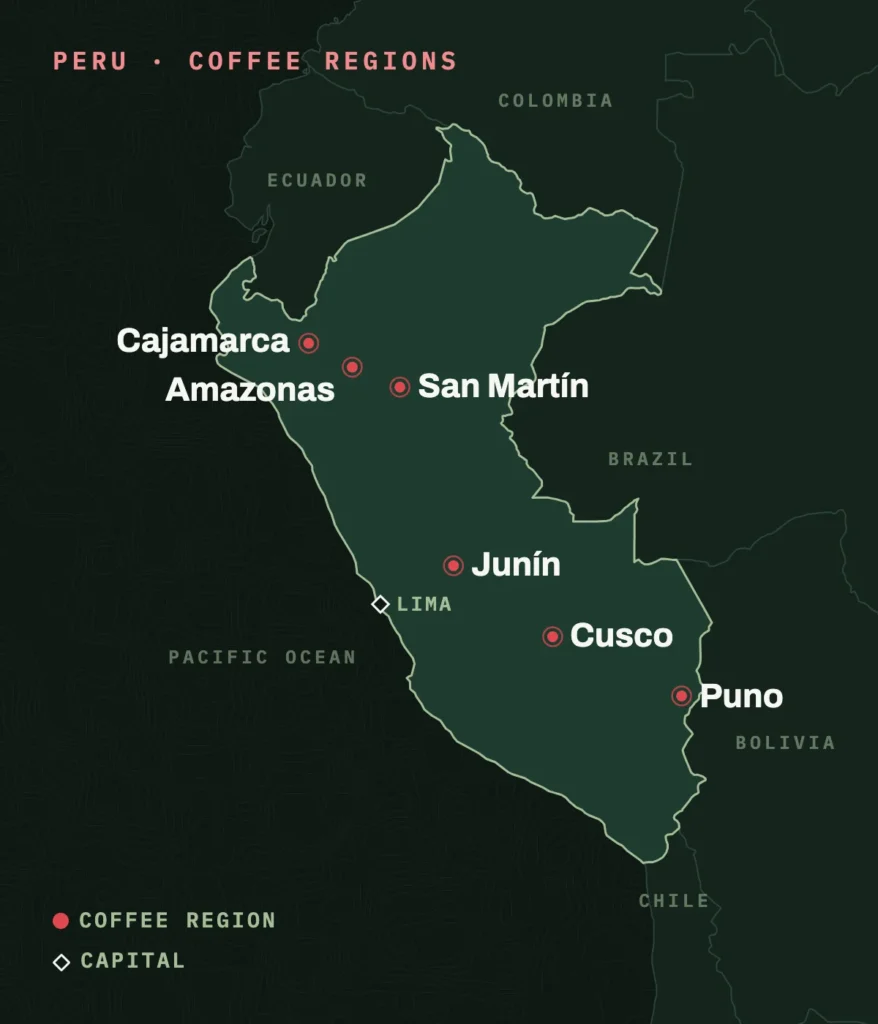
Peru’s coffee regions at a glance
| Region | Where it is | What it tends to taste like |
|---|---|---|
| Cajamarca | North, around Jaén and San Ignacio | Sweet, with red and yellow fruit, caramel and a gentle acidity |
| Amazonas | North | Caramel and dried fruit |
| San Martín | North, toward the Amazon | Chocolate, nuts and caramel |
| Junín | Central, around Chanchamayo and Satipo | Chocolate with dark and yellow fruit |
| Cusco | South, in valleys like La Convención | Red and dark fruit with chocolate underneath |
| Puno | Far south, around Sandia | Tropical fruit, caramel and molasses, often very high-grown |
Why Peruvian coffee tastes the way it does
The Andes. Most Peruvian coffee grows on the eastern slopes of the Andes, where the mountains drop toward the Amazon, usually above about 1,000 meters and in places above 2,000. Higher farms ripen their cherries slowly, which builds sweetness and brighter acidity. Lower farms tend to give softer, nuttier cups.
Old varieties. Many farms still grow older arabica varieties like Typica and Bourbon, along with Caturra, Catuai and others. Typica in particular is known for a clean, sweet, mild cup, which suits Peru’s reputation.
Washed processing. Most Peruvian coffee is washed, usually on the farm itself, then dried in the sun. That gives a clean, consistent cup. Our guide to coffee processing explains how washed coffee differs from naturals and honeys.
Small farms. More than 90% of Peruvian coffee comes from smallholders farming less than 5 hectares, often just two or three. Many sell through cooperatives, which pool coffee from hundreds or thousands of families and help them reach buyers and certifications.
Peru’s coffee regions, one by one
Cajamarca and the north
The north produces the biggest share of Peru’s coffee, and Cajamarca is its heart, especially the provinces of Jaén and San Ignacio near the border with Ecuador. Coffees here are often sweet and well balanced, with caramel and red or yellow fruit. Nearby Amazonas and San Martín add coffees that lean toward caramel, chocolate, nuts and dried fruit. Some of Peru’s largest and best-organized cooperatives are based in the north.
Junín and the central jungle
In central Peru, the valleys of Chanchamayo and Satipo in Junín, and nearby Villa Rica in Pasco, have long been coffee country. Their coffees are often chocolatey and full, with dark fruit. Chanchamayo is one of the best-known coffee names in Peru.
Cusco and Puno in the south
In the south, coffee grows in steep valleys below the high Andes, like La Convención near Cusco and the Sandia area of Puno, near the border with Bolivia. Many farms here are very high, and the best lots can be bright, fruity and complex, with tropical fruit, caramel and molasses. These regions have become a source of Peru’s most celebrated specialty coffees.
Organic and Fairtrade coffee from Peru
Peru is one of the world’s biggest sources of certified organic coffee. Many smallholders farm with few chemical inputs to begin with, and cooperatives make certification affordable by sharing its cost. Peru also exports a lot of Fairtrade and Rainforest Alliance certified coffee. Our guide to choosing coffee beans explains what each certification means.
Why Peruvian coffee takes a dark roast so well
Because Peruvian coffee is naturally mild, sweet and low in sharp acidity, it holds up well when roasted dark. The roast adds smoke, dark chocolate and body, while the coffee underneath keeps the cup smooth instead of harsh. That’s why Peruvian coffee shows up so often in dark roasts and espresso blends. Roasted lighter, the same coffees taste sweeter and nuttier, and the best high-grown lots show their fruit. Our guide to light, medium and dark roasts explains how roasting changes the cup.
A short history of coffee in Peru
Coffee reached Peru in the mid-1700s, but for a long time it was grown mostly for local use. Around the turn of the 20th century, after Peru defaulted on loans, British creditors received around 2 million hectares of land, and much of it was turned into coffee plantations. Over the 20th century, those large estates were broken up and redistributed, leaving the mix of small family farms and cooperatives Peru has today.
Today Peru is one of the world’s larger arabica producers. USDA figures put its 2025/26 crop at about 4.8 million 60 kg bags, and the United States buys about a third of its coffee exports, more than any other country.
How to brew Peruvian coffee
Peruvian coffee is forgiving. Dark roasts are great in a French press, as cold brew or with milk. Try 30 g of coffee to 450 g of water in a French press, coarse grind, for 4 minutes. Medium roasts work in almost any brewer, and bright, high-grown light roasts shine as pour-over. Our coffee ratio and grind size chart has starting points for every method, and our guide to brewing coffee at home walks through five of them.
Where this guide comes from
This is a researched guide. It draws on coffee importers’ origin guides, USDA reports on Peru’s coffee sector, and roasters’ and travel guides to Peru’s coffee regions, checked in October 2026. Sources often disagree on details like harvest timing and regional flavors, so treat them as tendencies.
Peruvian coffee FAQ
What does Peruvian coffee taste like?
Usually mild, smooth and sweet, with chocolate, nuts and caramel and gentle acidity. High-grown lots from regions like Cajamarca, Cusco and Puno can add red fruit, citrus and floral notes.
Is Peruvian coffee good?
Yes. It’s known for being smooth, sweet and easy to drink, and its best high-grown lots compete with famous origins. It’s also widely available organic.
Is Peruvian coffee low in acid?
It tends to have gentle acidity, especially from lower farms and in darker roasts. High-grown light roasts can be brighter.
Is Peruvian coffee organic?
A lot of it is. Peru is one of the world’s biggest sources of certified organic coffee, but not every Peruvian coffee is certified, so check the bag for the seal.
How is Peruvian coffee different from Colombian coffee?
Both are smooth, washed arabicas from the Andes. Peruvian coffee is usually a little milder and softer, and Colombian coffee often a little brighter and more caramel-sweet. Our Colombian coffee guide covers that side.
Where is coffee grown in Peru?
On the eastern slopes of the Andes, mainly in Cajamarca, Amazonas and San Martín in the north, Junín and Pasco in the center, and Cusco and Puno in the south.
When is coffee harvested in Peru?
Mostly from about June to September, starting earlier in some regions. New-crop Peruvian coffee usually reaches the U.S. in the first half of the following year.
Try it with Regions coffee
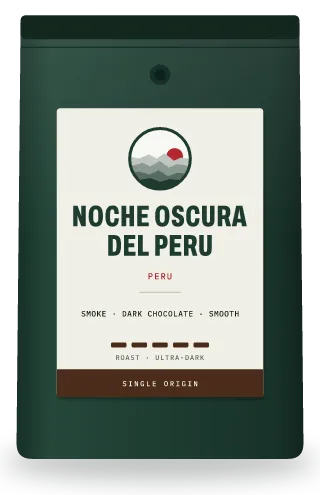
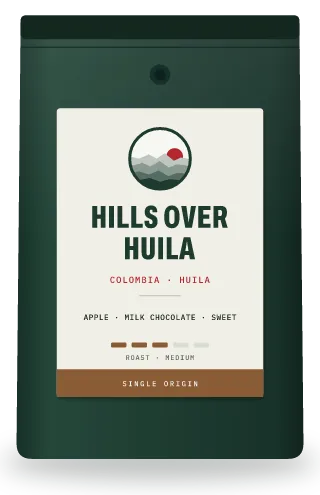
Noche Oscura del Peru is our Peruvian single origin and our darkest roast: a heavy, smooth body with deep smoke, bittersweet dark chocolate and very little acidity. It holds its own with cream and sugar and makes a rich cold brew. For another South American coffee at a medium roast, try Hills Over Huila from Colombia, with crisp apple and milk chocolate. Our coffees are listed as coming soon, so tap Notify me on either one to hear when they’re ready.
For the bigger picture, see our coffee growing regions flavor map, which compares Peru with coffee from the rest of the world.