



On this page
- Quick answer
- How to taste coffee, step by step
- Five things to notice
- What is coffee acidity?
- How to read the coffee flavor wheel
- What tasting notes on a bag mean
- Why does some coffee taste fruity?
- How to cup coffee at home
- Where this guide comes from
- Coffee tasting FAQ
- Taste the difference with Regions coffee
Quick answer
To taste coffee, smell it first, let it cool a little, then slurp it so it spreads across your tongue. Notice five things: aroma, acidity, sweetness, body and finish. Then name what you taste, starting broad (fruity, nutty, roasted) and getting more specific (berry, almond, toast). That’s how the coffee flavor wheel works: broad flavor families sit in the middle, and specific flavors fan out toward the edge. Tasting notes on a bag describe flavors the coffee has naturally, not added flavorings.
How to taste coffee, step by step
- Smell the grounds: take a sniff right after grinding. Aroma is a big part of flavor, and the dry grounds give you a first hint.
- Smell the cup: breathe in over the cup before you sip.
- Let it cool a little: very hot coffee hides flavor. As it cools from hot to warm, sweetness and acidity are easier to taste.
- Slurp: take a small sip with a quick, noisy slurp. It sprays the coffee across your tongue and carries aroma up to your nose, where much of what we call flavor comes from.
- Notice the basics: acidity, sweetness, body and finish, explained below.
- Name it, broad to specific: is it fruity, nutty, chocolatey or roasty? Then narrow it down. If it’s fruity, is it more berry, citrus or stone fruit?
- Taste again and compare: sip again as it cools. Tasting two coffees side by side is the fastest way to learn.
Five things to notice
| Quality | What it is | Ask yourself |
|---|---|---|
| Aroma | The smell of the grounds and the cup | What does it remind you of? |
| Acidity | Brightness, like the tang of an apple or an orange | Is it bright and juicy, or soft and mellow? |
| Sweetness | Natural sweetness, with no sugar added | Is it like caramel, honey or ripe fruit? |
| Body | How heavy the coffee feels in your mouth | Is it light and tea-like, or rich and syrupy? |
| Finish | The taste that lingers after you swallow | Is it clean and sweet, or dry and bitter? |
Bitterness matters too. A little, like dark chocolate, is normal, especially in darker roasts. Harsh bitterness usually means the coffee was over-extracted: ground too fine, brewed too long or brewed with water that’s too hot. Our coffee ratio and grind size chart can help you dial it in.
What is coffee acidity?
In coffee, acidity is a good thing. It’s the brightness that makes a coffee taste lively, like citrus, green apple or berries, balanced by sweetness. Sourness is different: a sharp, puckering taste that usually means the coffee was under-extracted, ground too coarse or brewed too briefly.
Light roasts, high-grown coffees and washed coffees tend to taste brightest. Darker roasts, and coffees from places like Sumatra, Brazil and Peru, taste softer and lower in acidity. Our guide to light, medium and dark roasts explains why the roast matters so much.
The acidity you taste isn’t the same as pH. Most brewed coffee has a pH around 5 whether it tastes bright or mellow, as our guide to cold brew in a French press explains.
How to read the coffee flavor wheel
The best-known flavor wheel is the Coffee Taster’s Flavor Wheel from the Specialty Coffee Association. The first version came out in 1995. It was redesigned in 2016 with World Coffee Research, based on a sensory lexicon of 110 coffee flavor, aroma and texture attributes developed at Kansas State University. The SCA sells the full wheel as a poster, and it’s a handy thing to keep near your coffee setup.
Read it from the center out. The middle holds broad families like fruity, floral or nutty, and each one branches into more specific flavors toward the edge. Related flavors sit next to each other, so if you can’t name something exactly, look at its neighbors. Start with whatever you’re sure of and work outward as far as you can. Even “fruity” is a useful note.
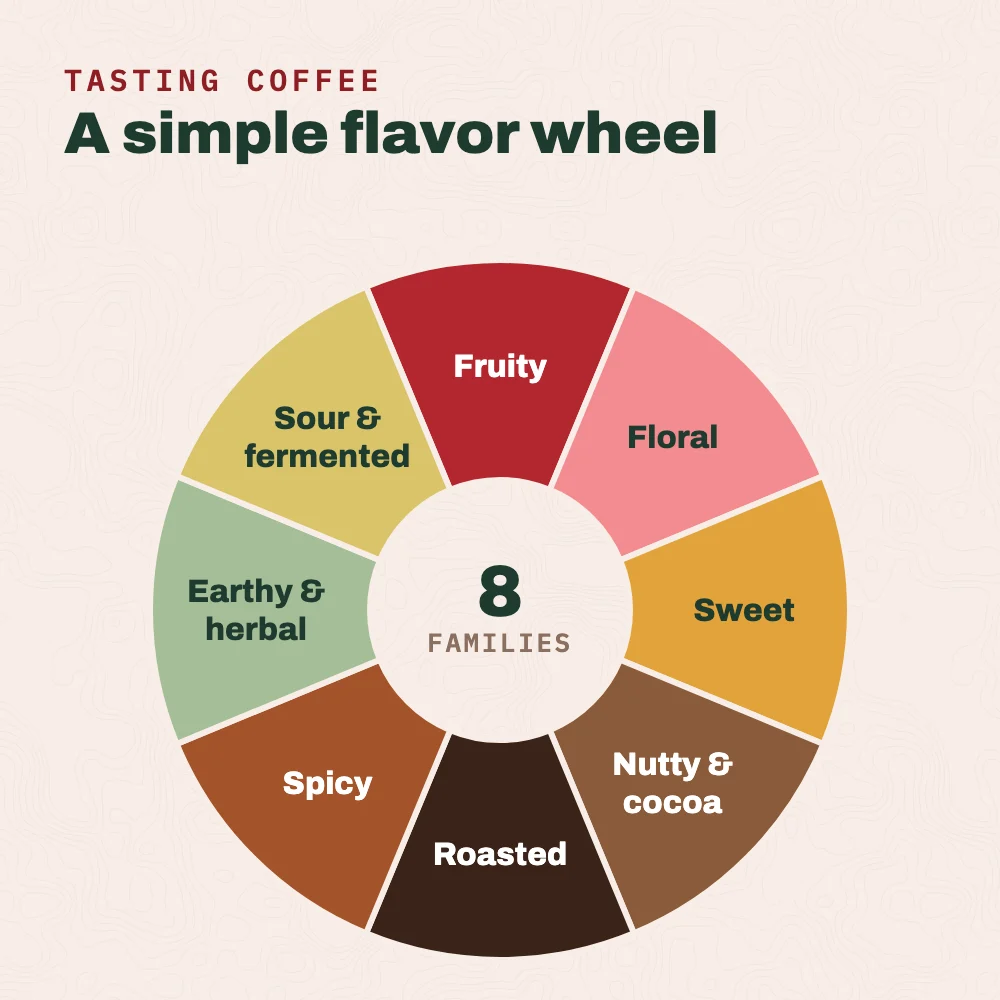
| Family | Common notes | Often found in |
|---|---|---|
| Fruity | Berry, citrus, stone fruit, dried fruit | Ethiopia, Kenya and natural-process coffees |
| Floral | Jasmine, rose, black tea | Washed Ethiopians and Geisha |
| Sweet | Caramel, honey, brown sugar | Central and South America |
| Nutty and cocoa | Chocolate, almond, hazelnut | Brazil, Peru and Colombia |
| Roasted | Toast, smoke, dark chocolate | Dark roasts |
| Spicy | Cinnamon, clove, black pepper | Some Indonesian and Central American coffees |
| Earthy and herbal | Cedar, tobacco, fresh herbs | Sumatra and other Indonesian coffees |
| Sour and fermented | Winey, boozy, tart | Some naturals and experimental processes |
Our coffee growing regions flavor map shows how these flavors line up with where coffee grows.
What tasting notes on a bag mean
Tasting notes are the roaster’s description of flavors the coffee has on its own, from where it grew, how it was processed and how it was roasted. Nothing is added. “Blueberry” means the coffee reminds the roaster of blueberry, the same way a wine can taste of cherry without any cherries in it.
Treat the notes as a direction, not a promise. You might taste “fruity and sweet” where the bag says “peach and honey,” and that’s normal. Freshness, grind and brew method all change what comes through, and naming flavors gets easier with practice. Our guide to choosing coffee beans covers the rest of the label.
Why does some coffee taste fruity?
Fruity coffee usually comes down to where it’s grown, how it’s processed, how high it’s grown and how it’s roasted. East African coffees, especially from Ethiopia and Kenya, are known for berry and citrus notes. Natural-process coffees, dried inside the cherry, often taste of blueberry, strawberry or wine. High-grown coffees ripen slowly and build more sugars and acids, and light roasts keep those flavors from being covered up by the roast. Our Ethiopian coffee guide and our guide to washed, natural and honey processing go deeper.
How to cup coffee at home
Cupping is how coffee buyers and roasters taste coffee. It’s a simple, repeatable method that makes it easy to compare several coffees side by side. Here’s a home version:
- For each coffee, grind about 11 g, a little coarser than for drip, into a cup or small bowl.
- Smell the dry grounds.
- Pour in 200 g of water at about 200°F, filling the cup, and start a timer.
- At 4 minutes, gently stir through the crust of grounds on top with a spoon, and smell the aroma that rises.
- Skim off the foam and floating grounds with two spoons.
- After 8 to 10 minutes, once it has cooled a little, slurp the coffee from a spoon. Rinse the spoon between coffees.
- Keep tasting as it cools, and jot down what you notice about acidity, sweetness, body and flavor.
The grounds stay in the cup, so stop before you reach the bottom.
Where this guide comes from
This is a researched guide. It draws on the Specialty Coffee Association’s flavor wheel and cupping guidance, World Coffee Research’s sensory lexicon, and roaster and coffee-site tasting guides, checked in October 2026. The flavor families and examples are general tendencies, and individual coffees vary. The simplified wheel is our own, not a copy of the SCA’s.
Coffee tasting FAQ
Are tasting notes added flavors?
No. They describe flavors the coffee has naturally, from its origin, processing and roast. Flavored coffees say “flavored” on the bag.
Why can’t I taste the notes on the bag?
That’s common. Let the coffee cool a little, slurp it, and compare it with a very different coffee. Fresh beans and the right grind help, and naming flavors gets easier with practice.
What’s the difference between acidity and bitterness?
Acidity is bright and tangy, like citrus or apple. Bitterness is darker and sharper, like dark chocolate or strong tea. A little of both is normal. Too much bitterness usually means over-extraction or a very dark roast.
What does body mean in coffee?
How heavy the coffee feels in your mouth. French press coffee or a Sumatra feels rich and heavy, while a paper-filtered pour-over or a washed Ethiopian feels lighter and more tea-like.
Who made the coffee flavor wheel?
The Specialty Coffee Association published the Coffee Taster’s Flavor Wheel in 1995 and redesigned it with World Coffee Research in 2016.
What is a coffee tasting wheel?
Another name for a coffee flavor wheel: a chart that groups flavors from broad families in the center to specific notes at the edge, to help you put words to what you taste.
Why does coffee taste different as it cools?
Very hot coffee hides some flavors. As it cools to warm, sweetness and acidity are easier to taste, which is why good coffee often tastes best a few minutes after brewing.
Taste the difference with Regions coffee
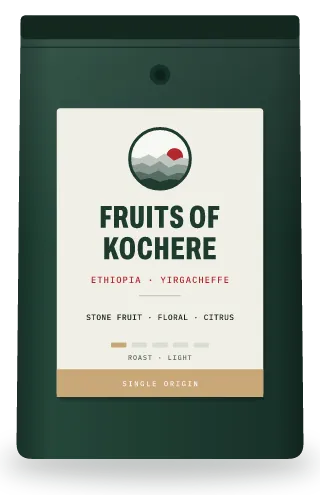
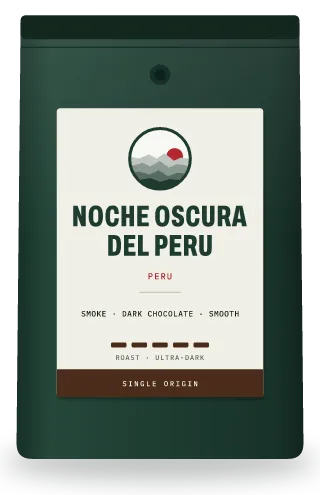
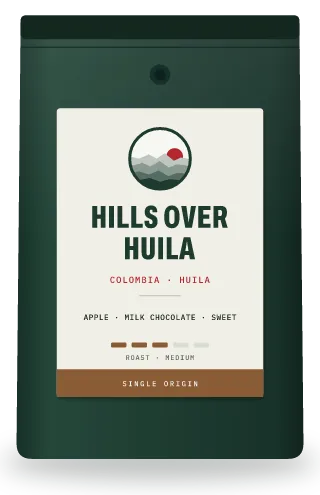
The easiest way to start is a side-by-side tasting of two very different coffees. Fruits of Kochere is a light roast from Ethiopia with a floral aroma, juicy stone fruit and a bright citrus finish. Noche Oscura del Peru is our darkest roast, with deep smoke, bittersweet dark chocolate and very little acidity. For something in between, Hills Over Huila from Colombia brings crisp apple and milk chocolate. Our coffees are listed as coming soon, so tap Notify me on any coffee to hear when it’s ready.