
Quick answer
Low acid coffee is coffee that tastes less bright and sharp. It usually gets that way from four things: a darker roast, beans grown at lower altitudes, natural or wet-hulled processing, and cold brewing. All brewed coffee is mildly acidic, around pH 5, and low acid on a bag isn’t a regulated claim, so look at the roast and origin instead. For the mellowest cup, choose a dark roast from Brazil, Sumatra or Peru, brew it fresh or as cold brew, and don’t leave it sitting on a hot plate.
What acidic means in coffee
Coffee people use acidity in two ways. The first is a taste: the brightness that makes a coffee taste lively, like citrus, green apple or berries. The second is chemistry: how acidic the coffee is on the pH scale. They don’t always line up: coffees that taste very different, one bright and one mellow, can measure almost the same pH.
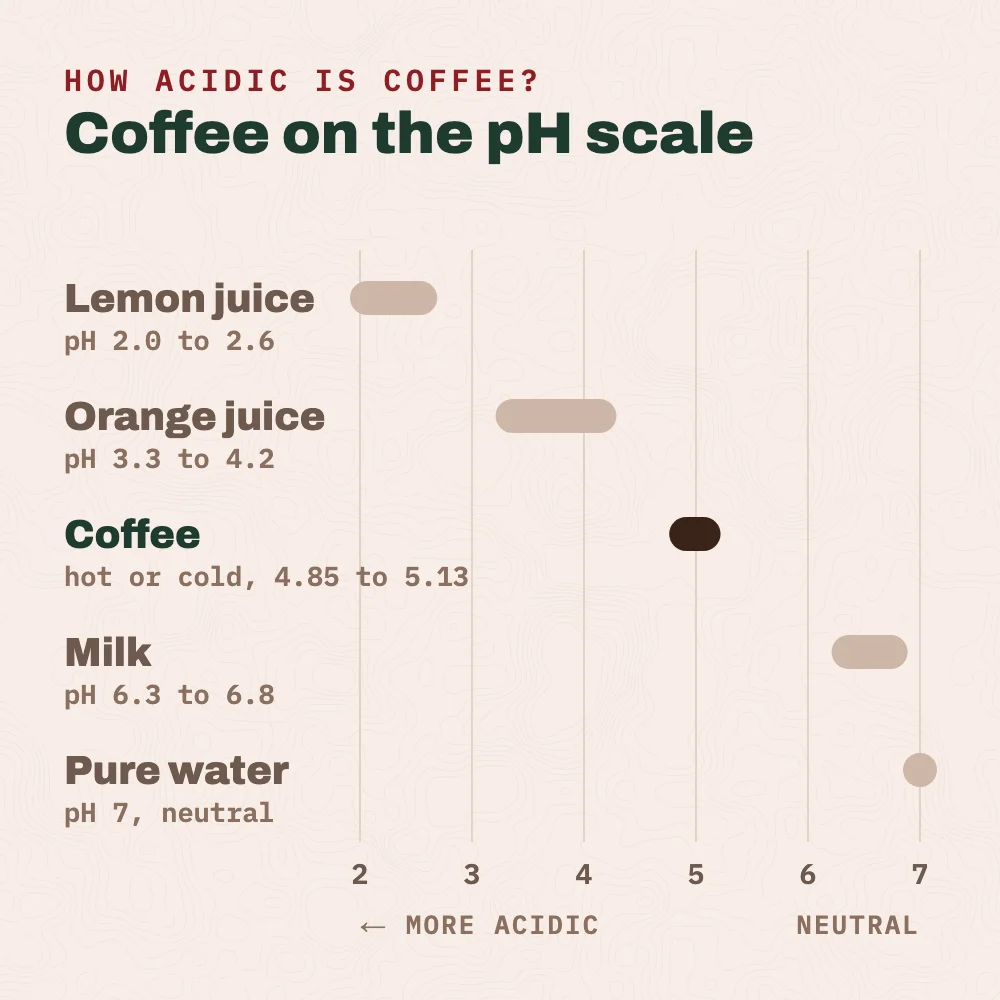
On the pH scale, brewed coffee sits around 4.85 to 5.13, which is mildly acidic and far less acidic than orange juice or lemon juice. A 2018 study from Thomas Jefferson University found that hot coffee and cold brew land in that same range, though hot coffee had more total acids. So most of what people call low acid coffee is about taste: a softer, rounder cup with less brightness.
Sour is different again. A sharp, puckering taste usually means the coffee was under-extracted, not that the beans are too acidic. Our guide to why coffee tastes bitter or sour explains how to fix it.
What makes coffee taste less acidic
| What changes it | Mellower | Brighter |
|---|---|---|
| Roast | Medium-dark and dark | Light |
| Origin | Brazil, Sumatra, Peru | Kenya, Ethiopia |
| Altitude | Lower farms | Higher farms |
| Processing | Natural, wet-hulled | Washed |
| Brewing | Cold brew | Hot, especially light roasts |
| Species | Robusta | Arabica |
Choose a darker roast
Roast makes the biggest difference. Roasting breaks down the acids that make light roasts taste bright, such as chlorogenic acids, so medium-dark and dark roasts taste softer and rounder, with chocolate, toast and nutty flavors in place of citrus and berries. When Coffee Review compared coffees sold as low acid, roast level mattered more than steaming the beans. Our guide to light, medium and dark roasts explains what roasting does.
A medium roast is a good middle ground if very dark coffee tastes too bitter to you.
Choose a low-acid origin
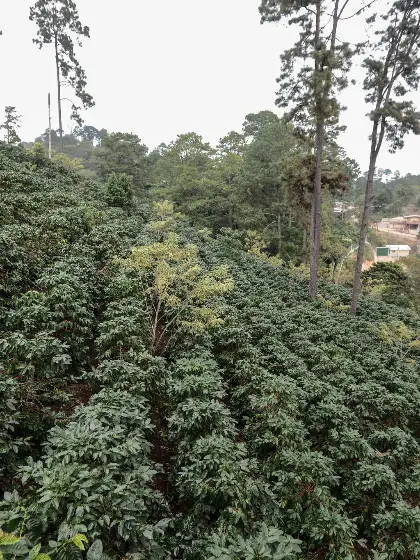
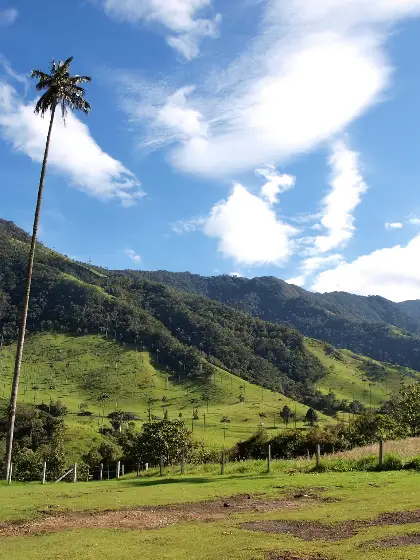
Where coffee grows matters too. High, cool farms ripen cherries slowly, which builds more acids and gives a brighter cup. Lower farms tend to give milder, rounder, fuller-bodied coffee. That’s why some origins are known for low acidity:
- Brazil: smooth, nutty and chocolatey, often grown lower than Central American coffee. See our Brazilian coffee guide.
- Sumatra: heavy, earthy and syrupy, with some of the lowest acidity of any origin. See our Indonesian coffee guide.
- Peru: mild and sweet, with gentle acidity, especially from lower farms and in darker roasts. See our Peruvian coffee guide.
For the opposite, look at Kenya and washed Ethiopians, two of the brightest coffees there are. Our coffee flavor map compares every major region.
Look at how it was processed
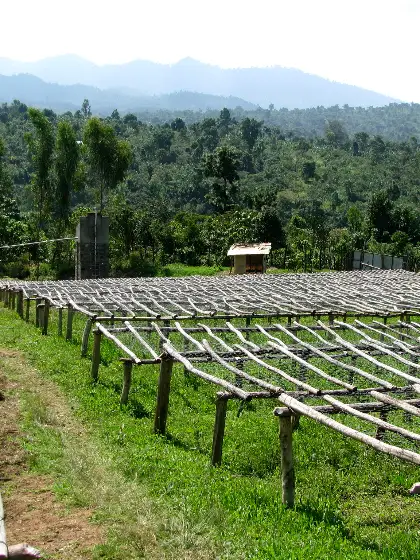
Washed coffees, which have the fruit removed before drying, taste the cleanest and brightest. Natural coffees, dried inside the whole cherry, tend to taste softer and sweeter, with more body. Sumatra’s wet-hulled coffees are softer still, with a heavy body and low acidity. Our guide to washed, natural and honey processing explains each method.
Brew it for a mellower cup
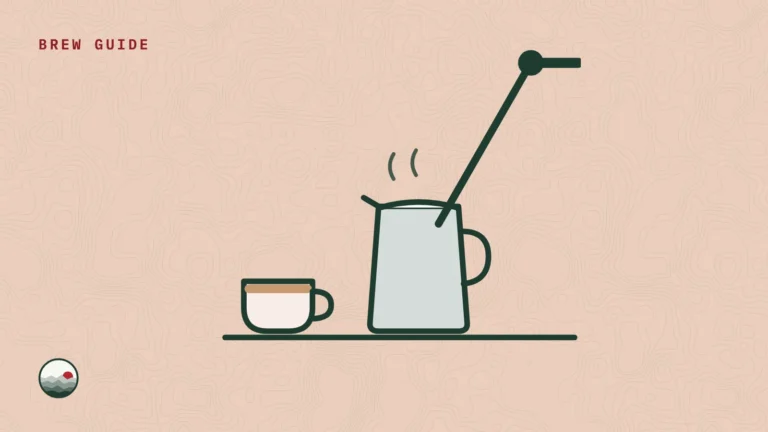
- Try cold brew. It tastes smoother and less acidic than hot coffee, and it has fewer total acids, even though its pH is about the same. Our guide to cold brew in a French press has the recipe.
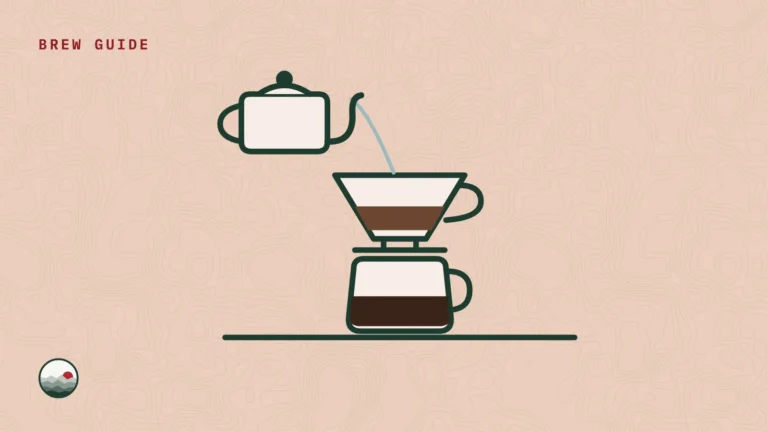
- Don’t under-extract. Acids dissolve first when you brew, so coffee that’s ground too coarse or brewed too briefly tastes sharp. Grind a little finer or brew a little longer.
- Drink it fresh. Coffee kept hot on a warming plate slowly turns more sour as compounds in it break down into acids. Brew a smaller pot, or keep it in a thermal carafe.
- Add milk if you like it. Milk softens the taste of acidity, and because milk is close to neutral, it nudges the pH up a little too.
What low acid on a bag means
Low acid isn’t a regulated claim in the US, so brands use it in different ways. Coffees sold as low acid usually get there by one of three routes: a dark or slow roast, beans from low-acid origins like Brazil and Sumatra, or a treatment such as steaming the green beans before roasting. These coffees often do taste mellower, but heavy treatments can mute aroma and flavor too.
Rather than relying on the label, read the bag the way you would for any coffee. Look for a medium-dark or dark roast, an origin like Brazil, Sumatra or Peru, and tasting notes like chocolate, nuts, caramel or spice rather than citrus, berries or flowers. Our guide to how to choose coffee beans walks through reading a label.
Where this guide comes from
This guide draws on Thomas Jefferson University’s 2018 study of hot and cold brew acidity, Coffee Review’s comparisons of coffees sold as low acid, published pH tables for common foods, and the roast, origin and processing guides on this site. It covers taste and chemistry, not health. If coffee gives you heartburn or other stomach trouble, a doctor is the best person to ask.
Low acid coffee FAQ
What is low acid coffee?
Coffee that tastes less bright and sharp, usually because it’s roasted darker, grown at lower altitudes, naturally processed or brewed cold. Some brands also treat the beans to lower acidity.
Is dark roast coffee less acidic?
It tastes less acidic, because roasting breaks down the acids that make light roasts taste bright. Roast level is the biggest single factor.
Is cold brew less acidic?
It tastes less acidic and has fewer total acids, but a 2018 study found its pH is about the same as hot coffee, around 5.
What is the least acidic coffee?
For the mellowest taste, choose a dark roast from a low-acid origin like Sumatra or Brazil, and brew it as cold brew.
How acidic is coffee?
Mildly. Brewed coffee is around pH 4.85 to 5.13, much less acidic than orange juice at about 3.3 to 4.2.
Does adding milk make coffee less acidic?
It makes it taste less acidic, and because milk is close to neutral, it raises the pH a little.
Are low acid coffee brands different?
Some are. They usually use a dark or slow roast, low-acid origins or a treatment like steaming the green beans. Low acid isn’t a regulated claim, so check the roast and origin on the bag.
Try a low-acid Regions coffee
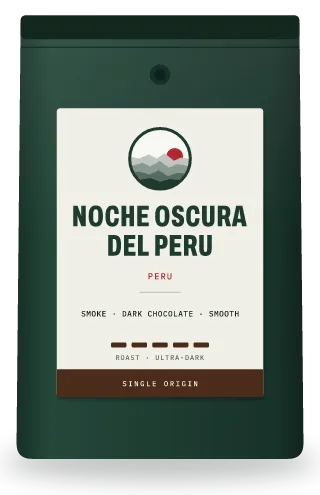
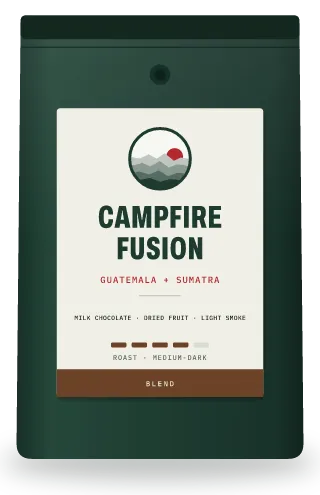
Noche Oscura del Peru is our darkest roast, with a heavy, smooth body, deep smoke and bittersweet dark chocolate, and very low acidity. Campfire Fusion, our medium-dark blend of Guatemalan and Sumatran coffee, is velvety and full-bodied, with milk chocolate, dried fruit and a light wisp of smoke, and low acidity. Both make great cold brew. Our coffees are listed as coming soon, so tap Notify me on any coffee to hear when it’s ready.